Causes of Sensitive Teeth: Prevention & Treatment Options
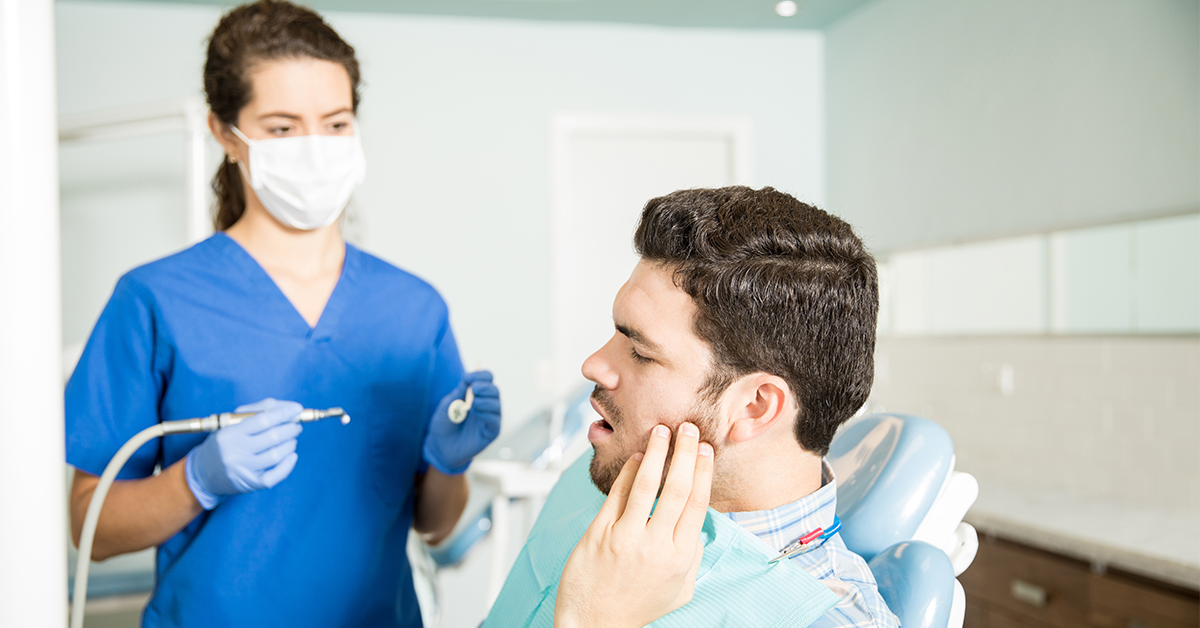
Did you feel that sharp jolt when sipping your morning’s first hot coffee? Or wince at a cold breeze? Maybe even cringe at a sweet treat? Why did that happen?
Tooth sensitivity is one of the most common concerns patients bring to Bellissima Dental Boutique, and almost 1 in every 8 individuals experiences it in their lifetime.
Initially, it seems like a minor annoyance, but then it becomes a persistent nuisance. Eating, drinking, and even brushing your teeth might feel uncomfortable. It can shape how you approach everyday activities if you do not choose the right treatment at the right time.
Is there a way to prevent it or treat it permanently?
How to treat sensitive teeth? We treat tooth sensitivity and recommend restorative and cosmetic dental procedures suitable for sensitive teeth. We approach it as a diagnostic signal to treat underlying dental conditions.
Overly exposed dentin causes sensitivity to cold and hot food and beverages. It is clinically known as dentin hypersensitivity, which develops when the protective outer layers of the tooth are compromised, exposing the inner dentin.
The pulp, the tooth's nerve center, is directly connected to thousands of tiny tubules, or channels, found in dentin. The sharp pain that is frequently associated with sensitivity can be transmitted directly to the nerve when these tubules in dentin are exposed to temperature changes, acidic foods, or even light pressure.
The onset of this dental condition is attributed to one or all of the following underlying conditions:
Gums form a natural protective barrier over tooth roots. When gum tissue recedes due to aggressive brushing, periodontal disease, or aging, the root surface becomes exposed. Because roots lack enamel, they react intensely to touch and temperature. Even a mild recession can cause disproportionately sharp discomfort.
Enamel is the body’s hardest substance, but it’s not indestructible. Acidic diets, abrasive brushing habits, certain medical conditions such as GERD, and low-pH beverages can wear enamel down over time. Once the enamel thins, the underlying dentin becomes highly reactive, and sensitivity increases steadily.
Grinding exerts extreme mechanical stress on teeth. Over time, this results in microfractures and surface wear. As enamel weakens and cracks, dentin exposure follows, and sensitivity escalates. Patients often report morning discomfort or a sudden, localized pain that worsens at night.
Even small chips allow temperature and pressure to reach deeper layers of the tooth. These cracks may result from trauma, biting hard foods, or untreated grinding issues. Because nerve fibers become exposed, the pain is often sharp, sudden, and easily triggered.
Professional cleanings, fillings, whitening, or crown placement can temporarily irritate the tooth. This is normal and usually resolves within days or weeks. However, if discomfort persists, it often signals a deeper issue that needs attention.
If anything we mentioned is making you hesitate to smile freely, you don't have to live with it. Visit Bellissima Dental Boutique and let's figure out what's best for you.
With home remedies and over-the-counter medications, you can only get limited relief. To get truly effective management, you need professional diagnosis and dental care. The following dental procedures are vital for restoring normal tooth function:
For mild to moderate cases related to early dentin exposure, professional desensitizing therapy is often the first step. It is the most effective alternative if over-the-counter medications fail to relieve the pain.
1. Fluoride Varnishes: We apply highly concentrated fluoride coatings to sensitive areas to strengthen the enamel and dentin. The varnish physically seals the open tubules, hence minimizing sensitivity.
2. Professional Desensitizing Pastes: We use specialized pastes containing desensitizing compounds, such as potassium nitrate or sodium chloride, on the exposed dentin layer. It reduces nerve excitability, ultimately reducing the signals at their source.
When sensitivity becomes localized due to identifiable enamel defects, sealing the exposed areas is essential. The following dental procedures are the go-to options to prevent dentin exposure;
1. Dental Bonding: In this procedure, we sculpt the tooth-colored composite resin directly over the worn enamel and exposed root surfaces. This bonded layer blocks any sensitive tubules from being triggered by hot or cold foods. It offers immediate protection and restores aesthetics.
2. Fillings and Inlays/Onlays: If the reason for increased sensitivity is associated with the aging of restorations and progressive tooth decay, then we offer precise replacements to seal the entire tooth structure to eliminate nerve exposure pathways.
Explore restorative options to preserve tooth integrity.
In cases of significant gum recession, soft tissue grafting may be required or other cosmetic gum treatments. This procedure involves transplanting healthy gum tissue over exposed root surfaces to restore protective coverage. Beyond reducing or eliminating sensitivity, grafting enhances appearance and prevents future root damage.
Read more about our periodontal services to treat gum-related conditions.
For some patients, the sensitivity emerges from structural damage and mechanical stress. The treatment choices for these are mentioned below:
1. Crown Placement: We use a custom-made porcelain crown to encapsulate the fractured or cracked teeth. Crowns stabilize the structure and prevent further movement of tooth fracture lines. This reduces the chances of dentin exposure.
2. Occlusal Guards (Nightguards): For habitual grinding, we advise nightguards because they act as a cushion between the teeth to avoid the grinding forces from chipping and damaging tooth surfaces. They ensure longevity of restorative procedures and long-term bite stability.
If the sensitivity becomes unbearably constant or you experience a throbbing pain. It indicates severe pulp damage. In this condition, root canal therapy becomes mandatory to remove the infected nerve tissue. This disinfects the inner tooth chamber and seals the tooth to stop pain and preserve your teeth.
Treating tooth sensitivity effectively starts with understanding the cause. Visit us in Fayetteville, NC, to understand what's causing your sensitivity and get a personalized treatment plan that actually works.
Can patients with sensitive teeth have professional teeth whitening?
Yes, but it requires a very controlled environment. Most patients fear getting the procedure done because of the associated stigma that it can worsen the discomfort, which is true. Generally, practitioners opt for restorations first and then offer cosmetic enhancements.
If the sensitivity is not treated after restorations, whitening can still be done, but it should follow standard desensitization procedures beforehand to avoid complications. We follow preferred techniques for teeth whitening for sensitive teeth:
1. Pre-Treatment - Desensitization: We use professional fluoride applications and desensitizing gels before beginning the whitening procedure. They block the tubules in dentin to avoid sharp pain during bleaching.
2. Dilute Concentrations & Controlled Phases: We dilute the agents to levels your teeth can easily tolerate. The gentle agents minimize irritation while offering excellent cosmetic outcomes.
3. Custom Home-Trays: We pair prescription-strength gels with precisely fitting trays to minimize exposure of gums. Also, we include desensitizing components for a safer at-home brightening.
Here are a few routines that help minimize the effects:
1. Soft Toothbrush: We recommend using a very soft toothbrush. Softer bristles minimize enamel abrasion and gum recession.
2. Brush Gently: You should brush gently with light circular motions. Aggressive scrubbing near the gumline can increase sensitivity.
3. Dentist-Recommended Toothpaste: You should use only a dentist-recommended desensitizing toothpaste containing potassium nitrate or sodium chloride, and apply it to sensitive areas nightly.
4. Dietary Adjustments: During treatment and episodes of intense sensitivity, you should refrain from acidic foods and beverages or consume them in moderation. After consuming acidic foods, rinse your mouth with water.
5: Use Nightguards: If you are habitually grinding your teeth at night, wear night guards to prevent enamel damage.
There is no way we let our patients compromise on their dental health. If you notice any symptoms of sensitivity, visit Bellissima Dental Boutique for luxurious smile care procedures and get rid of them for good. We leverage advanced diagnostic technology to evaluate your enamel integrity and gum health, and then advise the best dental procedures for long-term oral health.
The causes of tooth sensitivity include exposure of dentin due to enamel erosion, gum recession, chipping of teeth, or vigorous brushing with abrasive toothpastes.
Sensitive teeth can be treated with fluoride varnishes, desensitizing therapies, composite bonding, or dental fillings. The end goal is to seal the exposed dentin. If there is gum recession, then bone grafting and custom nightguards for grinding are necessary.
Yes, in a carefully controlled environment. At Bellissima Dental Boutique, we use desensitizing pre-treatments, lower-concentration gels, shortened application times, and custom trays.
Yes, in many cases. It is basically all about treating and correcting the underlying causes, such as treating receding gums, managing night grinding, and repairing chips and cracks with restorative care.
Post-treatment sensitivity is common and usually resolves within a few days to two weeks. If you have persistent pain, consult your dentist ASAP.
Absolutely. Use an extra-soft toothbrush with gentle brushing techniques to avoid damaging tooth enamel and causing gum recession.
Schedule a visit to Bellissima Dental Boutique in Fayetteville, NC, for the best treatment options for sensitivity, including restorations and sensitive teeth whitening.
We look forward to meeting you.Call Bellissima Dental Boutique at
(910) 778-1229 or request an appointment online to set up your first visit to be our guest. We’ll be in touch soon.