Understanding the 4 Main Types of Sedation Dentistry
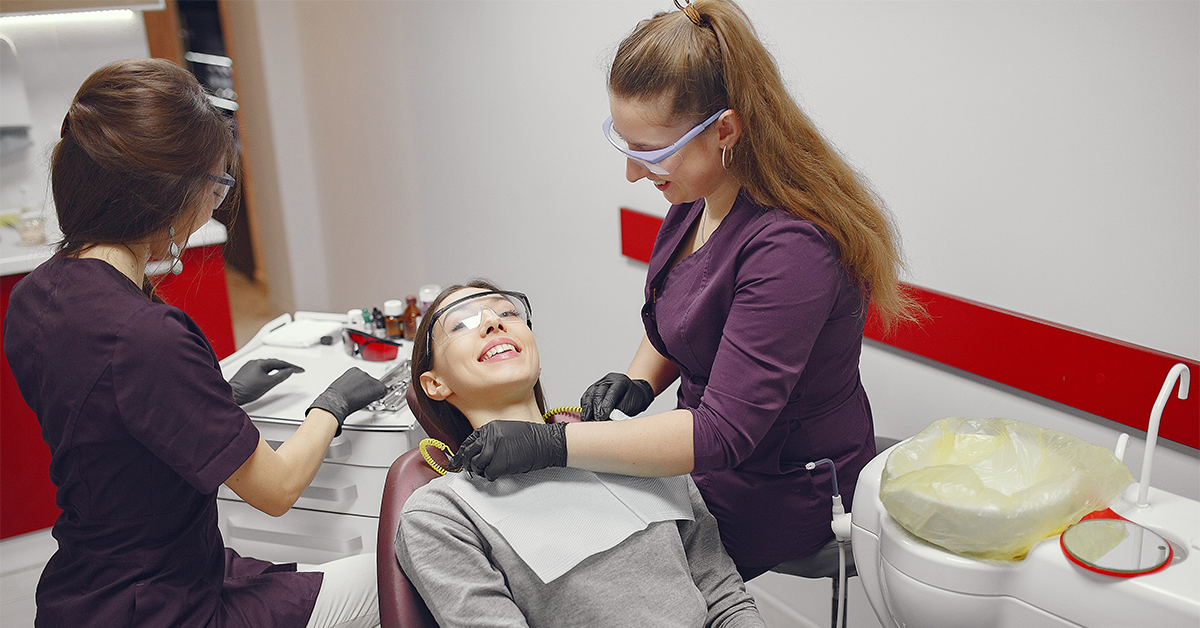
We exactly know why many patients avoid the dentist: cost isn’t always evil, but anxiety is. The sight of surgical tools triggers panic. Long procedures feel exhausting before they even begin. The sound of the drill turns the face pale with discomfort.
These are some legitimate reactions we have noticed, and as a result, we have seen many patients delay care until the problem becomes impossible to ignore. But skipping an appointment for an important dental procedure can lead to severe infections and dental issues.
Sedation dentistry is a lifesaver for patients with anxiety. It creates a calm, supportive environment where patients feel truly cared for. Sedatives ease stress, reduce anxiety, and make procedures easier to remember. This comfort helps patients maintain long-term oral health and gives them the confidence to seek care on time.
At Bellissima Dental Boutique, we use sedation to guide anxious patients through treatment with ease and clarity. Our team shapes the experience around comfort, trust, and personalized care so every visit feels manageable and safe.
Sedation dentistry is the usage of medications to help patients stay relaxed throughout treatment. One patient described the experience as time travel because a lengthy restorative procedure felt like it passed in minutes. Sedation offers more than pain control. It quiets the mind, lowers physical tension, and reduces sensitivity to sounds, lights, and instruments in the operatory. Patients stay calm, cooperative, and fully present without feeling overwhelmed at any point.
We offer several sedation options tailored to comfort needs and procedure complexity. These include inhalation sedation, prescription oral medication, intravenous sedation, and deep sedation for advanced surgical care.
Learn more about sedation dentistry at Bellissima.
Each sedation method serves a unique purpose. We select the type based on anxiety level, sensitivity, and the complexity of the procedure, ensuring patients receive personalised oral care that best suits their comfort and safety.
Nitrous oxide works like a mental dimmer switch. After using a tiny nose mask to breathe, patients experience a reduction in anxiety without losing consciousness in a matter of minutes. Right after the effect wears off, patients can quickly return to their regular chores. For minor fillings, regular cleanings, or cosmetic procedures, this choice is perfect.
For the nervous system, oral sedation functions like a lullaby. Before the visit, a prescribed medication lowers mild anxiety and promotes a more profound state of relaxation. Similar to remembering only bits and pieces of a dream, many patients recall very little about the procedure. Patients who are afraid of injections, instruments, or lengthy treatments can benefit from this approach.
IV sedation is similar to a carefully calibrated relaxation thermostat. When medication is injected directly into a vein, it acts fast and keeps the patient calm. Patients remain at ease, physically relaxed, and receptive to gentle cues. For more complex procedures, such as multiple fillings, root canals, or longer cosmetic treatments, this option works well.
Deep sedation or general anesthesia is like pressing pause on your body while our skilled team carefully monitors every vital sign. You remain fully unconscious and still, ensuring safety and precision for complex surgeries or patients with severe anxiety or medical conditions. This approach also allows multiple procedures to be completed in a single, comfortable visit.
Schedule a virtual smile consultation to determine whether your treatment may benefit from sedation.
Minimal sedation keeps patients calm while they remain fully awake.
How It Works: Nitrous oxide or a low-dose oral sedative creates mild relaxation. Patients stay alert and respond normally to instructions.
Benefits: Minimal sedation eases anxiety, improves comfort, and supports cooperation during short appointments.
Typical Use: Routine cleanings, small fillings, and cosmetic treatments such as whitening. We use this level to make preventive care easy and stress-free.
Moderate sedation is suitable for patients who need deeper relaxation for longer procedures.
How It Works: Oral or IV sedatives create a heavier sense of calm. Patients remain responsive but often remember little of the procedure.
Benefits: Moderate sedation lowers anxiety, reduces awareness of time, and makes complex treatments more manageable.
Typical Use: Multiple fillings, root canals, cosmetic veneers, or Botox procedures. We use this level for patients who want to complete longer treatments comfortably.
Deep sedation helps patients who need near-unconsciousness to tolerate complex or lengthy care.
How It Works: IV medications such as propofol create a deep state of relaxation. Patients respond only to repeated or stimulating cues.
Benefits: Deep sedation allows extensive work in a single visit without discomfort or emotional distress.
Typical Use: Dental implants, surgical extractions, or full-mouth rehabilitation. Our team uses deep sedation to complete advanced treatments safely and efficiently.
General anesthesia provides complete unconsciousness during highly involved or multi-step treatments.
How It Works: Patients receive IV or inhaled anesthesia and stay fully asleep throughout the procedure. An anesthesia professional monitors every vital sign.
Benefits: General anesthesia provides full pain control, no memory of the procedure, and the ability to complete several treatments in one appointment.
Typical Use: Full-arch reconstruction, complex surgical cases, or combined cosmetic and restorative procedures. We recommend this level when complete unconsciousness ensures the safest experience.
See our range of dental procedures for smile care.

Most importantly, it keeps you relaxed, at ease, and cooperative so that we can provide accurate, effective care without worrying about how long the process will take or what kind of equipment we'll be using. Here are key benefits:
Ease Anxiety: Helps patients feel calm and steady throughout treatment.
Gentle Gag Control: Reduces involuntary reactions during sensitive areas or impressions.
Comfort and Calm: Lowers discomfort so care feels smooth and stress-free.
Get More Done in One Visit: Longer sessions let you complete multiple treatments in a single appointment.
Relaxed Complex Care: Keeps patients comfortable and cooperative during implants, extractions, or full-mouth restorations.
If the fear of instruments pops up next time, just know it's much easier and more manageable with sedation dentistry and a qualified professional near you in Fayetteville, NC.
Bellissima Dental Boutique offers premium restoration services with moderate sedation, suitable for individuals, and takes exceptional care of patients with anxiety. Contact us today to explore your comfort options and schedule a consultation for worry-free care.
Common types are nitrous oxide, oral sedation, IV sedation, and dental deep sedation or general anesthesia.
A sedation dentist is a medical professional qualified to monitor patients during dental procedures and safely administer sedatives.
It is very effective for longer treatments as it keeps patients calm and offers a pain-free experience.
Yes. Bellissima Dental Boutique follows strict safety protocols for every sedation level. If cost is a concern, we also offer premium services with our membership plans to address your financing needs.
Local sedation dentistry manages pain and anxiety effectively for most patients, including those with high sensitivity.
You may need a sedation dentist if you experience dental anxiety, require complex treatment, or prefer a stress-free experience.
We look forward to meeting you.Call Bellissima Dental Boutique at
(910) 778-1229 or request an appointment online to set up your first visit to be our guest. We’ll be in touch soon.