What Is The Role Of Dental Scaling & Root Planing In Deep Teeth Cleaning
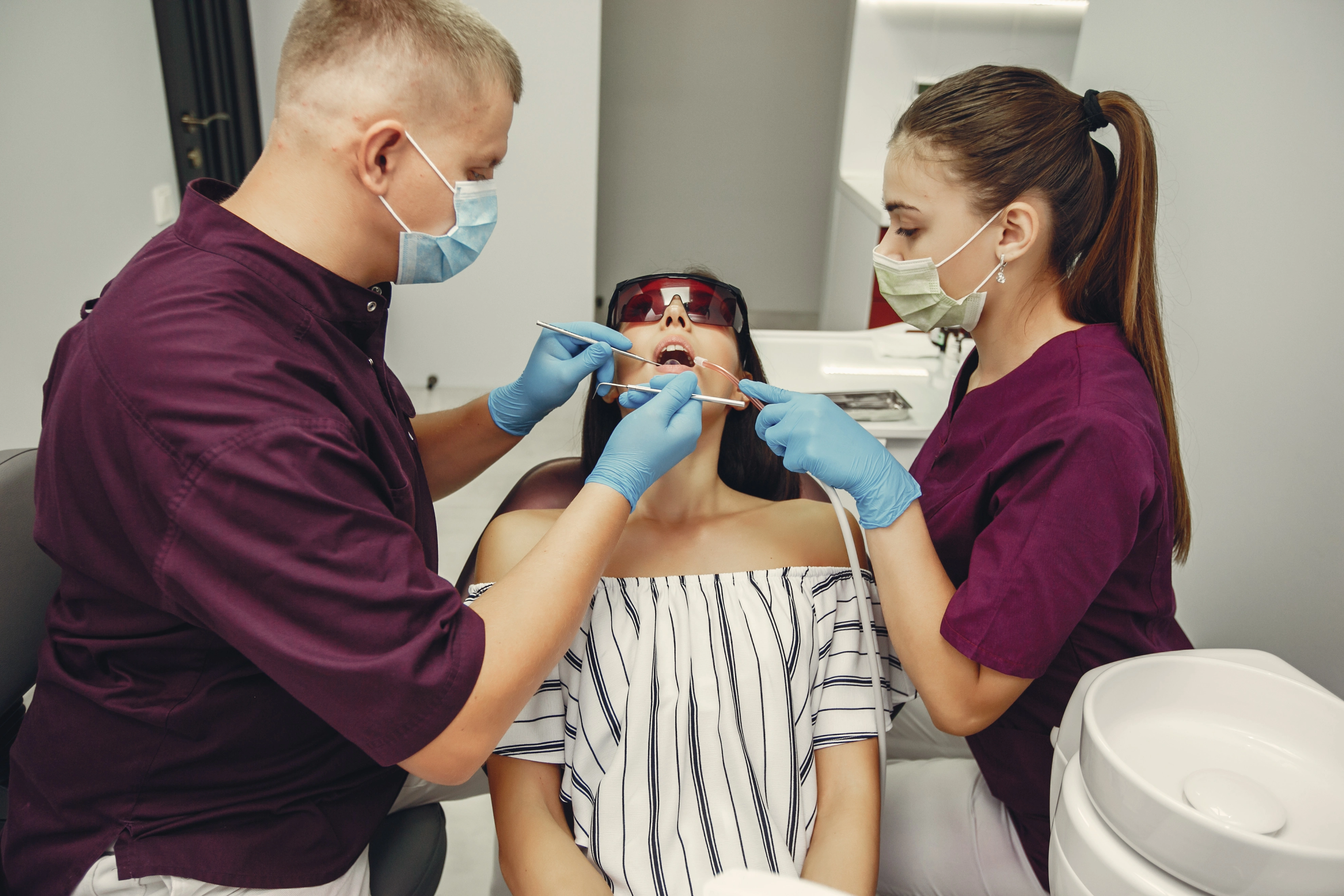
Imagine having bleeding gums even after brushing twice a day and flossing daily. Maybe you've also noticed a bad taste that won't go away, or your dentist mentioned that your gum pockets are getting deeper. What do these signs suggest?
These symptoms typically indicate an infection developing beneath the gumline, in places your toothbrush simply can't reach. At this stage, deep teeth cleaning becomes necessary. Your daily brushing maintains what you can see, but gum disease works silently around your tooth roots.
At Bellissima Dental Boutique in Fayetteville, NC, we can stop this infection and restore your gum health with a personalized treatment plan.
Deep teeth cleaning goes beneath your gum line to remove plaque and tartar buildup. Regular cleanings only address what's visible above your gums. Deep cleaning reaches into the pockets where bacteria cause inflammation and bone loss around your teeth.
We perform this treatment when gum disease moves beyond early-stage gingivitis. Using specialized tools, we clean your root surfaces, smooth rough spots, and remove harmful bacteria. You'll receive local anesthesia to stay comfortable, and we may schedule multiple visits based on how much treatment you need.
Learn more about gum treatment options.
We start by measuring the pockets around each of your teeth using a small probe. X-rays show us any bone loss, and we look for swelling, tartar, and receding gums. This complete examination tells us exactly what treatment you need, allowing us to create a customized cleaning plan.
Before we begin cleaning, we numb the treatment areas. Sedation keeps you comfortable during the procedure. Depending on how much cleaning you need, we may numb one or several sections of your mouth during each consultation.
We use two types of tools to remove hardened tartar from your teeth. An ultrasonic scaler uses high-frequency vibrations to break up the buildup while simultaneously rinsing the area with water. Then we use hand scalers to reach deep into your gum pockets and remove all the leftover bacterial deposits.
Next, we smooth the surfaces of your tooth roots where bacteria like to grow. We carefully remove the rough, bacteria-harboring layers of root surface to create a clean, smooth foundation. A smooth finish makes it harder for bacteria to stick, helping your gums heal and reattach to your teeth more easily.
After cleaning, we may place medication directly into your gum pockets to fight bacteria even after your cleaning is completed. The medicine helps your gums heal faster and prevents new infections. We may also give you a special mouth rinse to support your recovery.
Before you leave, we'll explain the at-home oral hygiene routine. We'll cover managing any sensitivity, the best ways to brush and floss, and foods to avoid. Additionally, we’ll schedule checkups to monitor the healing process.
Scaling and root planing is a two-part deep cleaning that treats gum disease by targeting bacteria hidden below your gum line. Scaling removes the hard deposits from your teeth and roots. Root planing smooths these surfaces, making it harder for bacteria to reattach while allowing your gums to heal.
Scaling removes plaque, tartar, and harmful bacteria from your tooth surfaces and below your gum line. We use both ultrasonic tools and hand instruments to eliminate the hardened buildup your toothbrush can't touch, addressing the cause of gum inflammation.
Root planing smooths and shapes your tooth roots, removing rough spots where bacteria gather. We remove the infected outer layers, creating a clean base for your gums to reconnect. The smooth surface prevents bacteria from sticking and helps your gums stay healthy in the long term.
The first step for deep teeth cleaning is scaling, which directly removes the bacterial buildup that causes gum disease. It clears away the hardened deposits that trap harmful germs, reduces swelling, and sets the stage for healing. Without thorough scaling, bacteria will continue to multiply in your gum pockets, progressively damaging your tissue and bone.
Root planing completes the deep cleaning process by refining the tooth surfaces we've scaled. While scaling removes deposits, root planing works on the tooth structure itself. We smooth out any rough areas that could trap bacteria. This step turns your rough, infected root surfaces into clean foundations where your healthy gum tissue can firmly reconnect.
Antimicrobial treatment continues to work after your cleaning appointment ends. We use targeted antibiotics that reach bacteria in hard-to-clean areas. This gives your immune system extra help to fully clear the infection and reduce inflammation in your gums.
1. Halts Gum Disease Progression: This is the biggest advantage of this dental procedure. We help our patients stop periodontitis, preventing bone loss and loose teeth that come with advanced gum disease.
2. Eliminates Chronic Bad Breath: With the bacteria and debris removed, persistent bad odor easily goes away.
3. Reduces Bleeding and Inflammation: Scaling removes the bacterial causes of swelling, while planing creates a smooth surface that promotes healing. (Note: You may experience temporary tenderness immediately after treatment.)
4. Promotes Tissue Reattachment: Gum pockets become shallower, and your teeth gain stability after a thorough episode of scaling and root planing.
5. Protects Overall Health: Research links gum disease to systemic health conditions. Deep cleaning helps reduce inflammation and bacteria that may contribute to these risks.
6. Restores Aesthetic Confidence: You can have a photo-perfect and healthy smile when your gums are healthier and stronger.
Regular dental cleaning (prophylaxis) removes plaque and tartar from above the gumline and prevents disease in patients with healthy gums. Dental scaling removes plaque and tartar buildup beneath the gumline to treat existing periodontal infection.
The cost of this periodontal treatment depends on many factors:
We evaluate these factors for each patient requiring scaling and root planing, then determine the specific cost for their procedure. Every patient has unique requirements, so we recommend that you visit us for a more precise cost breakdown. If you have concerns about covering the cost, we offer flexible payment choices and membership plans.
We know healthy gums are essential to your overall well-being and confidence. That's why we provide a comfortable environment with exceptional and luxurious smile care. Visit us, and we will create a personalized treatment plan that shows your oral health is our priority.
No. We use sedation to numb the treatment area, ensuring you remain comfortable throughout the procedure.
Regular cleanings prevent disease by removing plaque above the gumline. Scaling treats existing gum disease by removing plaque and tartar from beneath the gumline and inside periodontal pockets.
Ultrasonic dental scaling devices use rapid vibrations to break up hardened tartar while rinsing the area with water. This efficient method works alongside hand instruments to thoroughly remove bacterial deposits during your deep cleaning.
Typically 2-4 appointments, with each visit lasting 45-60 minutes. We treat one or two sections of your mouth per visit, depending on the severity of your gum disease.
Most patients need dental planing and scaling once to treat active gum disease. After that, maintenance cleanings every 3-4 months prevent it from coming back and protect your long-term oral health.
We look forward to meeting you.Call Bellissima Dental Boutique at
(910) 778-1229 or request an appointment online to set up your first visit to be our guest. We’ll be in touch soon.